
Verdict in brief
Is the Costa Rican dinner and folk dance show worth it?
Worth it when you want Costa Rican food, music and dance served together in one evening, with a view above the city as the backdrop. The listing carries 4.5 stars from 21 reviews and a from-price of US$98 per person for a traditional meal and a folk dance performance in the Escazú hills. Twenty-one reviews is a small pool, so treat the score as encouraging, not settled. A long quiet dinner or a daytime outing would suit you better.
Half a dozen points to consider
What the booking page promises
The page lists a traditional Costa Rican meal, a folk dance performance of about 80 minutes, a short guided visit and the view from Mirador Tiquicia, a viewpoint above San José. All of it fits into roughly two hours. Drinks, extras and the journey up the hill go unmentioned, so treat them as yours to sort out.
The dancing
Costa Rica's national dance is the punto guanacasteco, a couples' dance from Guanacaste with wide swirling skirts, according to Costa Rican tourism writers. Expect that skirt-flaring look on the hilltop stage, though the programme itself is not listed, so treat any named dance as a likely sight and not a promise.
The food
The listing calls the meal traditional and its summary mentions a buffet, with no dishes named. Costa Rican staples such as gallo pinto, which is rice and beans stir-fried together, and the casado plate are explained in the guides below as background, not as a menu.
Who it suits
First-time visitors who like their culture with a meal, couples, and families with older children who will sit through a show. Anyone who needs a late night out should check the finish time in the confirmation e-mail, because this guide quotes no clock times.
Booking terms
Cancelling is free and nothing is charged today. The booking feed lists a cut-off of 30 minutes before the start. Guides work in English, Spanish, Portuguese and French, and step-free access is flagged on the page.
Getting there
The venue sits in the hills above the city, so the ride up is part of the plan. No transport is named for this ticket, so decide how you will reach the viewpoint and get back down before you choose the evening.
Seven threads of Costa Rican tradition
Seven threads of Costa Rican tradition behind the evening
Behind a folk dinner stand a dance, a tune, a table and a landscape. Every entry here summarises one source, named at its end: Wikipedia, UNESCO, Footprint Travel Guides or Tico Travel.
-
The national dance
Punto guanacasteco, a couples' dance from Guanacaste
Tico Travel says the punto guanacasteco has been the national dance since 1944 and was composed around 1900. Footprint Travel Guides calls it the typical national dance, a heel-and-toe dance for couples, and says it is not traditional in the folk sense, having been composed by Leandro Cabalceta Brau. Both agree on its shape: pairs, a courtship feel and a province behind it.
-
The costume
Wide skirts and the sabanero look
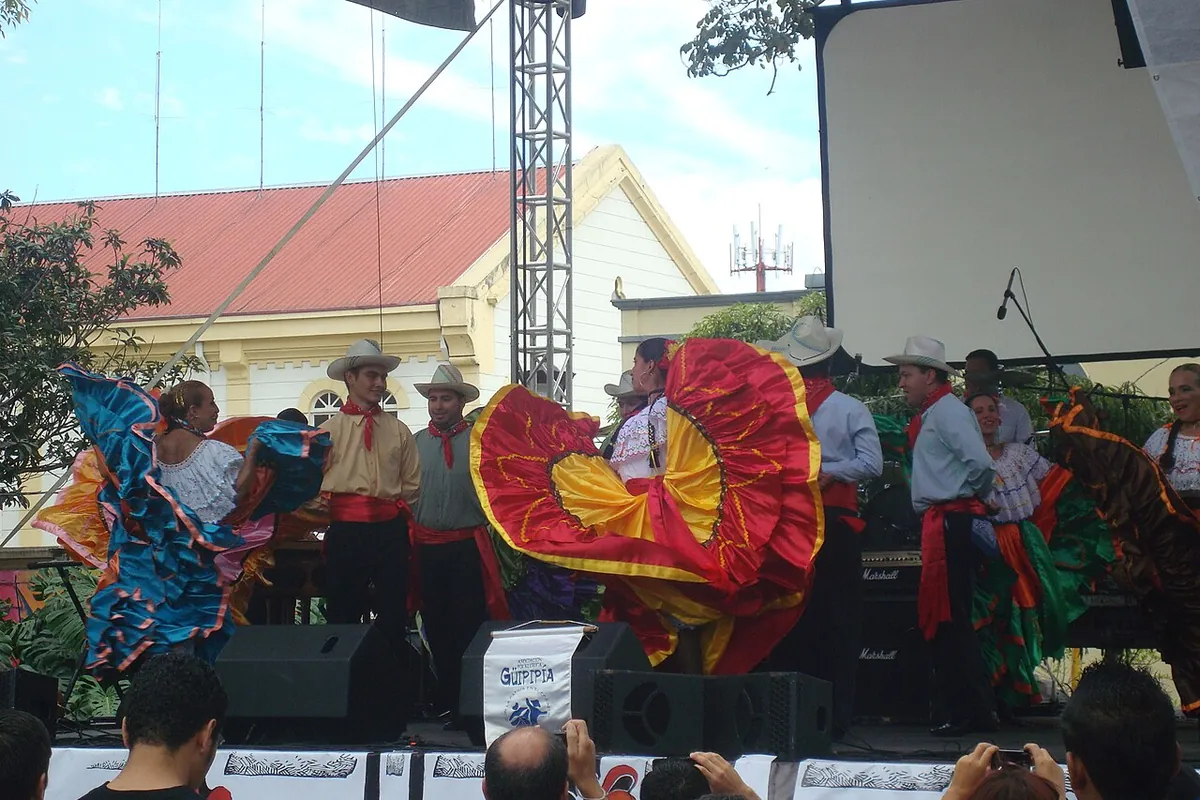
Tico Travel describes the women swinging wide, colourful skirts and the men in white with straw hats and a red kerchief, dressed like a Guanacaste cowboy, or sabanero. The skirts are cut so that they flare as the dancer turns, which is why the whole stage seems to spin when a line of dancers turns together.
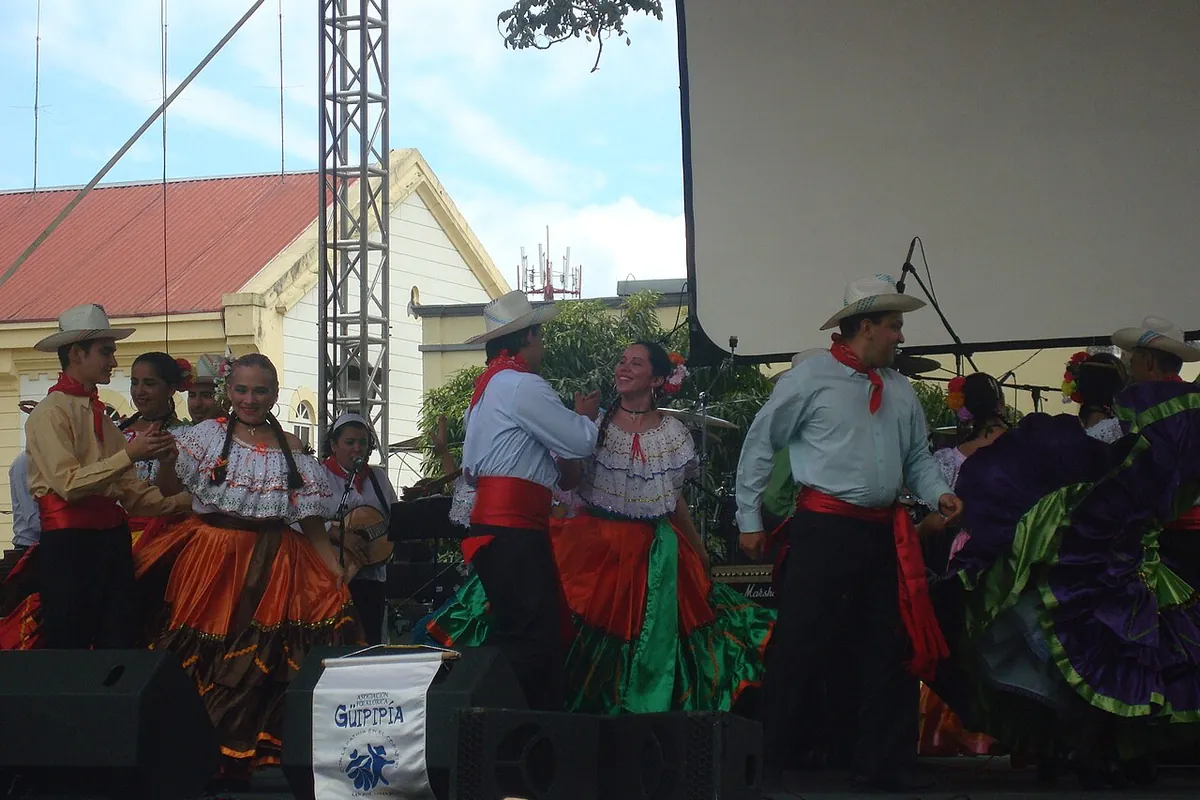
A second dance from the same Transitarte festival, March 2013. -
The shout
Bombas, the rhyming interruption
Tico Travel says the music stops mid-dance and someone shouts "¡Bomba!" A dancer then recites a short rhyming verse, often a flirtatious jab or a joke about local life. If a performance includes bombas, the verses will be in Spanish, so a guide's explanation helps.
-
The instrument
The marimba and the guitar
Tico Travel calls the marimba the wooden xylophone at the heart of Guanacaste music and says couples dance to marimba and guitar. Footprint Travel Guides adds that Costa Rica is the southernmost of the marimba-culture countries and that the guitar is the popular accompaniment for folk dances.
-
The province
Guanacaste, the heartland of folklore
Wikipedia names Guanacaste as the major centre for Costa Rican folk music and notes that the Danza del Sol and Danza de la Luna are pre-Columbian styles associated with the Chorotega there. Footprint Travel Guides also calls Guanacaste the heartland of Costa Rican folklore. The dances on a San José stage borrow from that north-western province, which is far from the capital.
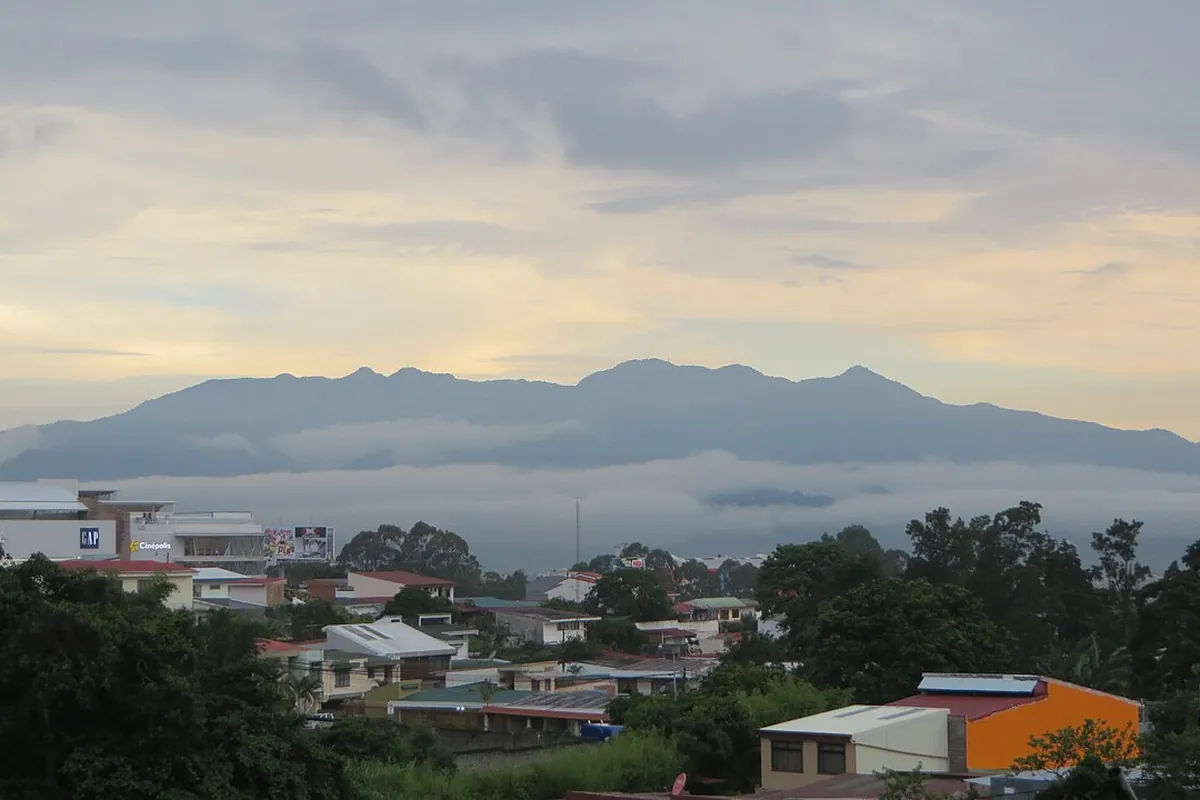
The Cerros de Escazú seen from the San José valley after rain. -
The oxcart
The painted carreta, a UNESCO tradition
UNESCO inscribed oxherding and oxcart traditions in Costa Rica in 2008, after proclaiming them in 2005. It says carts dating from the mid-19th century hauled coffee from the Central Valley to Puntarenas on the Pacific coast, a trip of 10 to 15 days, and that painting the carts began in the early 20th century, with flowers, faces, miniature landscapes and pointed stars added later.
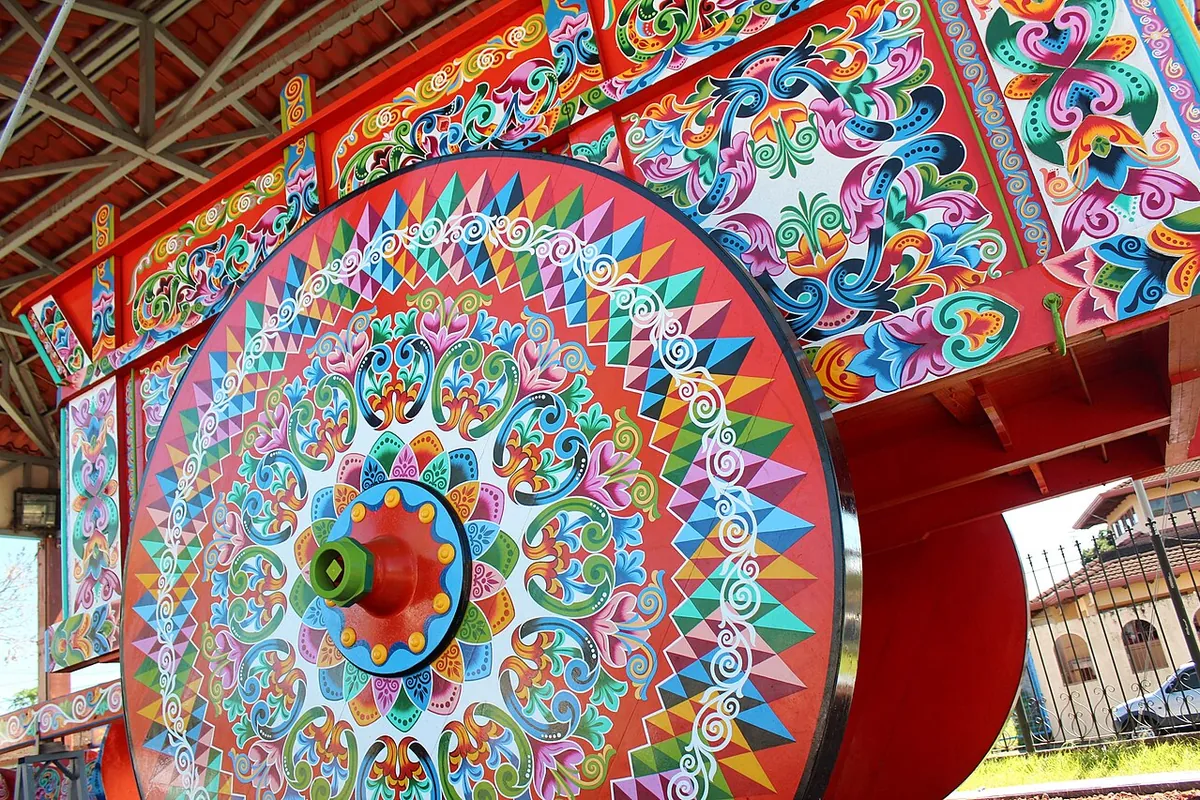
A painted Costa Rican carreta: this one, in Sarchí, is billed as the largest in the world. -
The table
Gallo pinto and the casado
Wikipedia says gallo pinto means spotted rooster and is rice and beans stir-fried together, often eaten at breakfast, with Lizano sauce on the side. The cuisine page says casado means married man, reportedly from wives packing lunches in banana leaves, and serves rice and beans side by side with a meat and a salad. The booking page lists no dishes, so these are background.
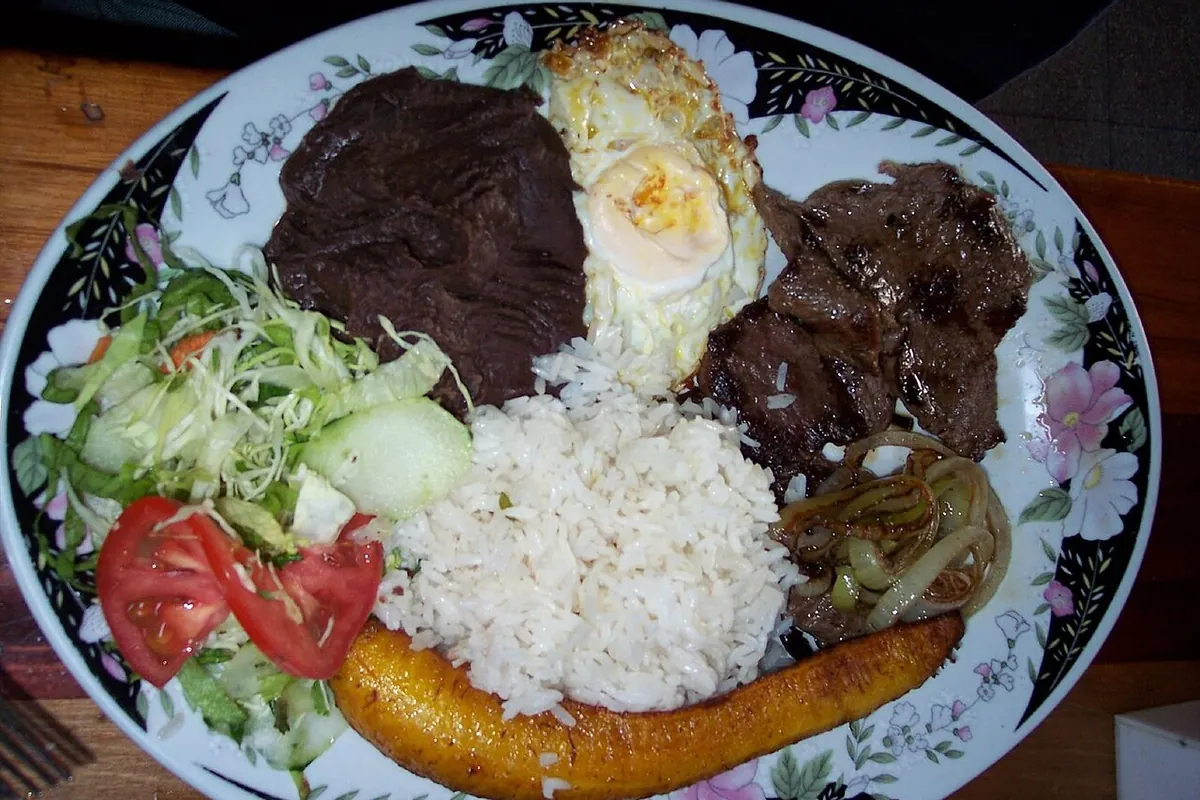
A casado, the Costa Rican lunch plate of rice and beans with a meat and a salad.
Drawn from Wikipedia articles on Costa Rican music, gallo pinto, Costa Rican cuisine, the provinces and the canton of Escazú, plus the UNESCO listing for oxherding and oxcart traditions, Footprint Travel Guides and Tico Travel.
Dates behind the dancing
Seven dates behind the dancing
- c. 1900
The punto guanacasteco is composed
Source note: Tico Travel and Footprint Travel Guides both give about 1900, though Footprint says it was written, not handed down
- 1755
Villagers are forcibly moved from Escazú to San José
Source note: Wikipedia's page on the Escazú canton gives the year
- 1796 to 1799
The church of San Miguel is built
Source note: The same Wikipedia page gives these years
- 1848
Escazú is first mentioned as a canton in a decree
Source note: Dated 7 December 1848, says Wikipedia
- 1920
Escazú gains city status as the seat of its canton
Source note: Dated 28 May 1920, says Wikipedia
- 1944
The punto guanacasteco becomes the national dance
Source note: Tico Travel gives the year; check the Procuraduría or the Ministry of Culture for the decree itself
- 2008
Oxherding and oxcart traditions join UNESCO's representative list
Source note: Proclaimed in 2005 and inscribed in 2008, says UNESCO
What the listing says
What the listing covers and what it skips
Six items copied from the listing on 19 November 2026. Where the listing is silent, this guide stays silent too, and your confirmation message settles any doubt.
Check the calendar ↗A from-price taken on the day of writing. The calendar shows the fare for your date in your own currency.
- The setting
- Mirador Tiquicia, a viewpoint in the Escazú hills above San José, with a view over four of Costa Rica's seven provinces, says the booking page.
- The meal
- A traditional Costa Rican meal built on local ingredients and traditional recipes. The summary calls it a buffet; no dishes are listed.
- The show
- A folk dance performance that the page puts at 80 minutes, followed by a short guided visit. The dances themselves are not named.
- The length
- About two hours for the whole evening, going by the page's duration line.
- The languages
- Guides work in English, Spanish, Portuguese and French.
- Booking terms
- Free to cancel with payment later, and a cut-off of 30 minutes before the start in the booking feed. Wheelchair access is flagged.
A dance evening or a morning at the market
A folk dinner show or a Central Market food walk?
Book the evening, then fill the other San José days
Other San José bookings to set beside it
The dinner and dance take one evening. Three other San José bookings sit beside it: a market walk that tastes the city by day, a volcano, waterfall and coffee farm day trip, and a walk among sloths and birds on a university campus.
- See dates ↗
Costa Rican dinner and folk dance show
A traditional Costa Rican meal, a folk dance performance and a short guided visit at Mirador Tiquicia in the Escazú hills, going by the booking page.
- See dates ↗
Central Market bites and sights walk
A guided daytime walk through the busy Central and Borbón markets and the city's parks, going by its listing. The obvious rival for a San José outing, with food and no dancers.
- See dates ↗
Volcano, waterfall and coffee farm day trip
A full-day guided trip to Poás Volcano and La Paz Waterfall with a coffee farm stop and pick-up available, going by its listing. A big day for a different evening.
- See dates ↗
Sloths, birds and trees nature walk
A small-group walk led by biologists on the grounds of the University of Costa Rica, going by its listing. A gentle outing that fits the day before the dinner.
Also bookable in San José
Settling the evening
Four things to settle first
Pick your date
Choose an evening in the calendar. The message after booking repeats every detail, so there is nothing to copy down.
Decide how you get up the hill
The booking page names no transport, so settle the ride up to the viewpoint and the way back down before the evening, not on it.
Pack a layer
The venue sits in the hills, which run cooler than the city. Wikipedia gives Escazú a mean elevation of 1,129 metres, so bring something warm for the viewpoint.
Look at the rest of the stay
A dinner and show fills an evening. A walk through the markets suits a morning, and the volcano trip is a full day, so give it a day to itself.
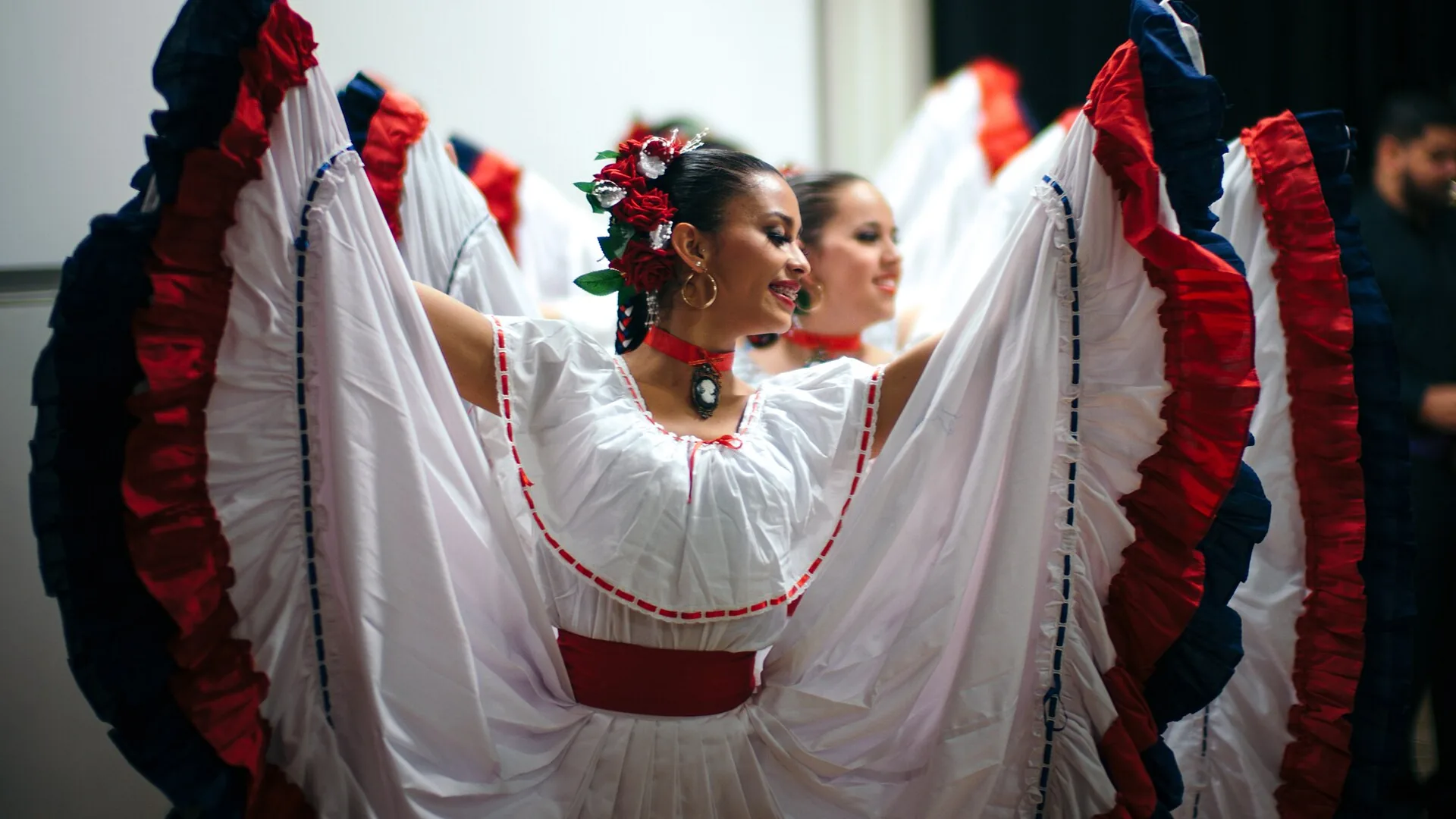
Dancers, a casado plate and a painted cart
Dancers, a casado plate and a painted cart
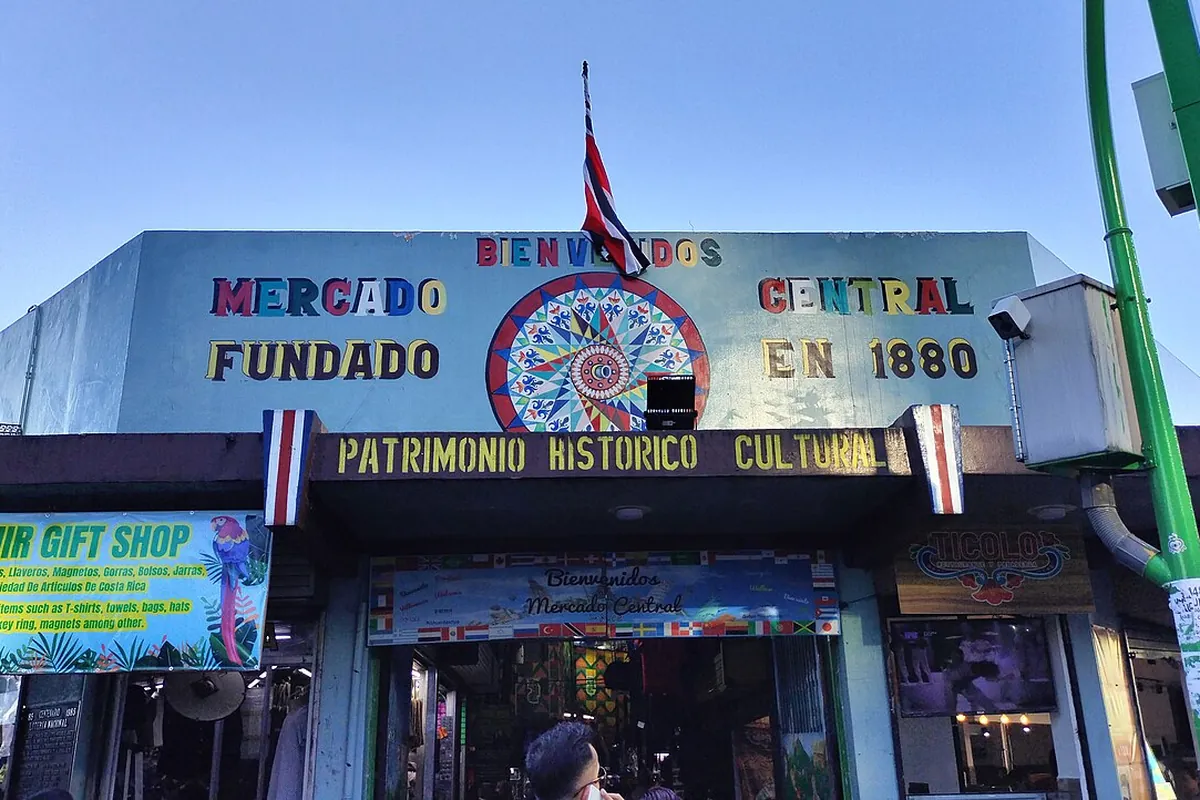
Photographs from Wikimedia Commons: dancers in ruffled skirts, folk dancers at a San José festival, a casado plate, a painted oxcart, the Cerros de Escazú and the Central Market.
Six deeper reads
Six reads on the dances, the table and the hills
- Start here Is the Costa Rican dinner and folk dance show worth it? What a 4.5 from 21 reviews means A traditional meal, a folk dance performance and a hilltop view above San José, measured by what the listing promises and what it never mentions. Read →
- The comparison A folk dinner show or a Central Market food walk: which San José experience? An evening of dance and a hilltop view weighed against a daytime walk through the city's markets, on scores, duration and setting. Read →
- The dances Punto guanacasteco and the folk dances of Costa Rica: what the stage borrows The national dance, its skirts and shouted verses, and the older dances of the Chorotega and the Boruca that sit behind a modern folk show. Read →
- The food Gallo pinto, casado and the Costa Rican table: what a traditional meal means Rice and beans two ways, a lunch named for married men and the other staples a Costa Rican meal is built from, sourced to Wikipedia. Read →
- The heritage Marimba, ocarina and oxcart: the sounds and symbols of folk Costa Rica The wooden xylophone of Guanacaste, a beeswax ocarina and a painted cart that UNESCO lists as heritage: what a folk evening's music and props point to. Read →
- Planning How to plan an evening in the Escazú hills Reaching the viewpoint, dressing for hill air, settling the day around it and what to confirm before you book, going by the booking page and Wikipedia. Read →
FAQ
Questions worth asking before you pick an evening
Is the Costa Rican dinner and folk dance show worth it?
Mostly yes for a first visit. It holds 4.5 stars from 21 reviews, a small but positive sample, and delivers a traditional meal, a folk dance performance and a hilltop view rather than a long concert.
What does the ticket cover?
A traditional Costa Rican meal, a folk dance performance and a short guided visit at Mirador Tiquicia. Drinks and transport go unmentioned, and the confirmation message carries the final terms.
Is transport included?
No transport is named for this ticket, so arrange your own way up to the Escazú hills and back, and read the option you choose before relying on a lift.
How long is the evening?
Around two hours overall, with the dance performance itself described as 80 minutes. The start time appears in the calendar.
What language is it in?
Guides work in English, Spanish, Portuguese and French. Any bomba verses are spoken in Spanish.
What should I wear?
Dress for a couple of hours seated, and pack a layer: the hills above the city run cooler than San José itself after dark.
Can wheelchair users attend?
Wheelchair access is flagged on the listing. For specific help on the day, send the request through GetYourGuide before you travel.
Is cancellation free?
Yes, cancellation is free and payment comes later. The feed lists a booking cut-off of 30 minutes before the start, so read the terms for your date.
How does it compare with the Central Market walk?
One is an evening of dance and a view, the other a daytime walk through markets. The comparison guide lays out scores, length and setting for each.